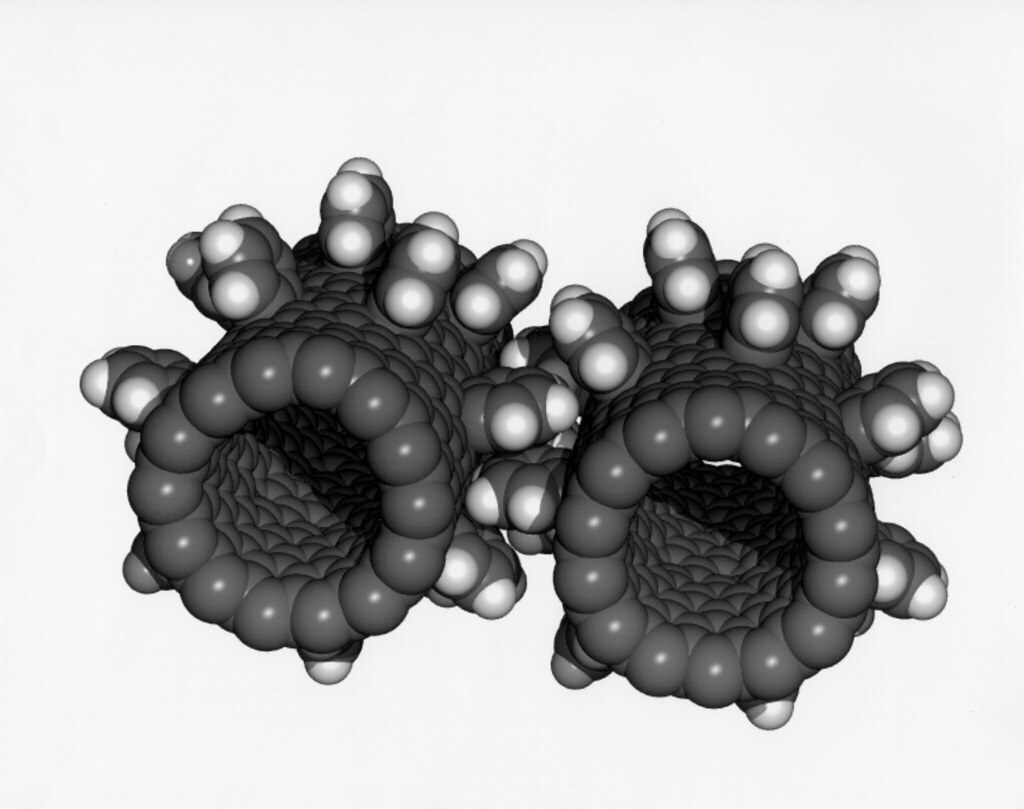
Molecular machine conductance is at the forefront of scientific innovation. Recent studies highlight how current-driven molecular machines can enhance conductance through rotation, offering exciting implications for future technologies.
Understanding Molecular Machines
Molecular machines are intricate structures that can perform specific tasks at the molecular level, often driven by external stimuli. These machines have garnered significant attention for their potential applications in nanotechnology, electronics, and medicine. One of the key aspects of these molecular machines is their conductance, which is influenced by their structural configuration and the nature of the materials involved.
Recent research has demonstrated that the conductance of molecular machines can be enhanced through various methods. By utilizing current-driven mechanisms, scientists have discovered ways to improve the efficiency of molecular movement and functionality. The concept of molecular machine conductance is critical as it directly impacts the performance of nanoscale devices.
Several proven methods have emerged for optimizing the conductance of these machines, including:
- Modifying molecular structures to increase electron flow.
- Integrating conductive materials that facilitate better charge transport.
- Employing external fields to control molecular behavior and enhance conductance.
As research progresses, understanding and manipulating the conductance of molecular machines will be crucial for advancing future technologies.
The Role of Conductance in Technology
The role of conductance in technology has gained significant attention, especially with the rise of molecular machines. These nanoscale devices exhibit unique properties that can be harnessed for various applications in electronics and materials science.
Conductance is crucial in determining how effectively a molecular machine can transmit electrical signals. High conductance allows for faster processing speeds and more efficient energy use, which is essential in developing next-generation devices. Researchers have identified several proven methods to enhance the conductance of molecular machines, leading to improved performance.
- Material Selection: Choosing the right materials can significantly impact conductance levels. Materials with high electron mobility contribute to better performance.
- Structural Design: Optimizing the molecular structure can enhance the pathways for electron flow, resulting in increased conductance.
- Environmental Control: Manipulating external conditions, such as temperature and pressure, can also affect the conductance of these machines.
- Integration Techniques: Effective integration of molecular machines into existing electronic systems is vital for leveraging their enhanced conductance in practical applications.
Overall, the advancements in molecular machine conductance are poised to play a transformative role in the future of technology.
Current-Driven Mechanisms Explained
Current-driven mechanisms play a crucial role in enhancing the conductance of molecular machines. These mechanisms utilize electric fields to manipulate the movement of molecules, thereby improving their efficiency in conducting electricity. The application of current not only initiates motion but also stabilizes specific conformations that can lead to increased conductivity.
Several key factors influence the conductance of molecular machines:
- Electric Field Strength: A stronger electric field can accelerate the motion of molecular machines, enhancing their conductance.
- Molecular Design: The structural arrangement of the molecules affects how easily they can move and thus impact their overall conductance.
- Temperature Effects: Higher temperatures can increase molecular motion, leading to greater conductance, but may also introduce instability.
- Interactions with Substrates: The environment surrounding the molecular machines can significantly influence their conductive properties, with certain materials promoting better interaction.
Understanding these current-driven mechanisms is vital for advancing the field of molecular machine conductance, paving the way for innovative applications in nanoelectronics and beyond.
Recent Advances in Molecular Science
Recent advancements in molecular science have significantly enhanced our understanding of molecular machine conductance. Researchers have been exploring innovative approaches to manipulate the conductance properties of molecular machines, leading to potential breakthroughs in nanotechnology and electronic devices.
One of the most notable developments involves the use of tailored molecular structures that exhibit increased conductance when subjected to specific stimuli. These structures often utilize current-driven mechanisms, which enable precise control over their electrical properties.
Key findings from recent studies include:
- Enhanced Conductance: Molecular machines designed with rotational components have shown improved conductance, allowing for more efficient electron transfer.
- Dynamic Control: Researchers have demonstrated the ability to switch conductance on and off by manipulating external conditions, such as temperature or light exposure.
- Applications in Technology: These advancements pave the way for the development of faster, more efficient electronic components and sensors.
As scientists continue to uncover the principles governing molecular machine conductance, the potential for applications in advanced materials and electronics becomes increasingly promising.
Applications of Enhanced Conductance
The applications of enhanced conductance in molecular machines have opened new avenues in various fields, showcasing their potential to revolutionize technology. These molecular machines, equipped with improved conductance, can be utilized in numerous practical scenarios, enhancing efficiency and performance.
- Nanoelectronics: Molecular machines with high conductance can serve as essential components in nanoscale electronic devices, leading to faster and more efficient data processing.
- Energy Harvesting: Enhanced conductance enables more effective energy conversion processes, facilitating the development of advanced solar cells and energy storage systems.
- Biomedical Applications: In drug delivery systems, molecular machines with optimized conductance can improve the targeting and release of therapeutic agents, enhancing treatment efficacy.
- Sensing Technologies: Molecular machines can function as sensitive detectors for environmental monitoring, leveraging their conductance properties for real-time analysis.
Overall, the advancement of molecular machine conductance not only boosts their operational capabilities but also expands their potential applications across various industries. As research continues, the integration of these technologies into everyday life is becoming increasingly plausible.
Future of Molecular Machines
The future of molecular machines is poised to revolutionize various fields, particularly in nanoscale technology and materials science. As researchers continue to explore the intricacies of molecular machine conductance, several promising avenues are emerging.
One significant trend is the integration of molecular machines into electronic devices. By improving their conductance properties, these machines can potentially lead to the development of faster and more efficient transistors. This advancement may pave the way for the creation of molecular-scale computers, significantly enhancing computing power while reducing energy consumption.
Moreover, the versatility of molecular machines allows for applications in drug delivery systems. Enhanced conductance can enable precise control over the release of therapeutic agents in targeted locations, improving treatment efficacy while minimizing side effects.
As researchers delve deeper into understanding the mechanisms that govern molecular machine conductance, we can expect innovative designs that optimize efficiency and functionality. The collaboration between chemists, physicists, and engineers will be crucial in transforming these concepts into practical applications.
In summary, the future of molecular machines is bright, with ongoing advancements expected to unlock new possibilities in technology and medicine.
The latest research has highlighted several innovative techniques that significantly enhance molecular machine conductance. By employing advanced materials and precise engineering, scientists have made strides in optimizing molecular machine conductance for practical applications.
By aeroman3 via Openverse