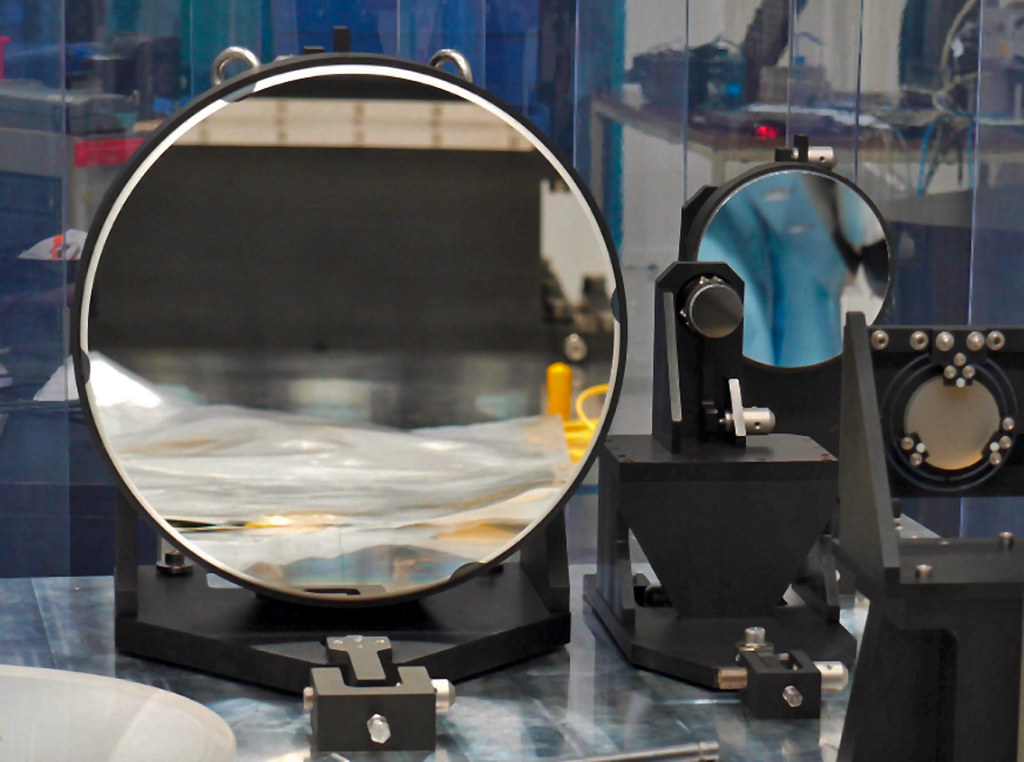
Exoplanet discovery is revolutionizing our knowledge of distant worlds. Recent findings reveal fascinating insights that could change how we perceive the universe.
What is an Exoplanet?
Exoplanets, or extrasolar planets, are celestial bodies that orbit stars outside our solar system. Unlike the eight planets that revolve around our Sun, exoplanets can vary greatly in size, composition, and distance from their parent stars. These fascinating worlds have become a central focus of astronomical research as scientists seek to understand their formation, characteristics, and potential for hosting life.
As of now, thousands of exoplanets have been discovered, thanks to advanced telescopes and detection methods. This surge in discovery has provided astronomers with invaluable insights into the diversity of planetary systems in the universe. To better comprehend what exoplanets are, it is essential to consider their classifications:
- Gas Giants: These large planets, such as Jupiter and Saturn, are primarily composed of hydrogen and helium.
- Super-Earths: These are rocky planets with a mass larger than Earth’s but smaller than that of Neptune.
- Hot Jupiters: A class of gas giants that orbit very close to their stars, resulting in high surface temperatures.
- Earth-like Planets: These exoplanets have conditions that may support liquid water and potentially life.
Understanding exoplanets is essential for unraveling the mysteries of our universe and assessing the possibility of finding life beyond Earth.
Recent Exoplanet Discoveries
Recent exoplanet discoveries have captivated the scientific community and sparked public interest like never before. Astronomers have made significant strides in identifying and characterizing new worlds beyond our solar system, revealing a diverse array of planetary systems.
Some of the most noteworthy discoveries include:
- TOI 700 d: This Earth-sized exoplanet resides in the habitable zone of its star, making it a prime candidate for further study regarding potential life.
- LP 890-9 c: Discovered by researchers at the University of Liege, this super-Earth is located just 100 light-years away and orbits a cool red dwarf star.
- WASP-121 b: An ultra-hot Jupiter that has been found to have a unique atmosphere with molecules like titanium and iron, demonstrating the extreme conditions present on some exoplanets.
These findings not only enhance our understanding of planetary formation and evolution but also raise intriguing questions about the possibility of life elsewhere in the universe. The ongoing research and exploration of exoplanet discovery have the potential to reshape our understanding of the cosmos and our place within it.
With advances in technology and increased observational capabilities, astronomers are optimistic about uncovering even more exoplanets in the future, each offering new insights into the vastness of space.
How Exoplanet Discovery Impacts Science
The discovery of exoplanets has revolutionized our understanding of the universe and our place within it. As scientists uncover new worlds beyond our solar system, the implications for science and exploration are profound.
One of the most significant impacts of exoplanet discovery is the potential for finding life beyond Earth. The identification of Earth-like exoplanets in the habitable zone of their stars has raised exciting possibilities about extraterrestrial life. This has led to increased interest in astrobiology and the conditions necessary for life to thrive.
Moreover, the study of exoplanets enhances our knowledge of planetary formation and evolution. By analyzing various exoplanetary systems, researchers can develop better models for how planets form and their subsequent geological activities. This understanding also informs our knowledge of the history of our own solar system.
In addition to biological and geological insights, exoplanet discovery influences technology and innovation. The challenges of detecting and studying distant worlds have spurred advancements in telescope technology and data analysis methods, which can have applications beyond astronomy.
Overall, the impact of exoplanet discovery extends far beyond mere curiosity; it reshapes scientific disciplines, encourages interdisciplinary collaboration, and inspires future generations to explore the cosmos.
The Future of Exoplanet Exploration
The future of exoplanet exploration is poised to deliver groundbreaking insights that could reshape our understanding of the universe. As technology advances, astronomers are developing more sophisticated tools to detect and analyze distant worlds. The upcoming James Webb Space Telescope (JWST) promises to revolutionize our capabilities, allowing scientists to study the atmospheres of exoplanets in greater detail than ever before.
In the coming years, we can expect significant advancements in the following areas:
- Improved Detection Methods: New techniques will enhance our ability to identify exoplanets, particularly those in the habitable zones of their stars.
- Atmospheric Analysis: The JWST and other future missions will enable us to analyze exoplanet atmospheres for signs of habitability and potential biosignatures.
- Direct Imaging: Techniques for directly imaging exoplanets will become more refined, allowing us to observe their surfaces and weather patterns.
- Public Engagement: Increased public interest in exoplanet discovery will foster collaboration between scientists and the general public, enhancing outreach and education efforts.
As we continue to explore these distant realms, the potential for discovering life beyond Earth becomes increasingly tangible. Each new exoplanet discovery not only expands our knowledge but also inspires future generations of scientists and dreamers to reach for the stars.
The latest advancements in technology have significantly enhanced our understanding of exoplanet discovery. Researchers are now able to analyze data more efficiently, leading to groundbreaking findings in the field of exoplanet discovery.
By European Southern Observatory via Openverse