The mass extinction event that wiped out the dinosaurs has been shown to have a significant impact on the emergence of the giant fungus D. rex. This discovery sheds light on the intricate connections between extinction and evolution.
Understanding the Mass Extinction Event
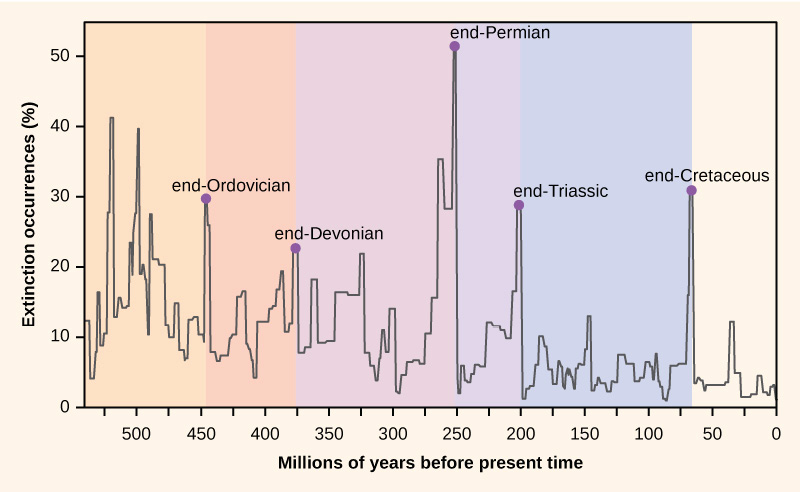
The concept of a mass extinction event refers to a significant and rapid decline in biodiversity, often resulting in the extinction of a large number of species across various ecosystems. The mass extinction event that occurred approximately 66 million years ago is famously known for leading to the demise of the dinosaurs, but its effects reached far beyond these iconic creatures.
During this period, drastic environmental changes unfolded, including shifts in climate and habitat destruction. Such changes created opportunities for other organisms to thrive, including fungi. One remarkable example is the giant fungus D. rex, which emerged in the aftermath of the extinction event.
As ecosystems began to recover, D. rex played a crucial role in nutrient cycling and decomposition, helping to stabilize the newly forming habitats. The adaptability of this giant fungus to the altered landscape exemplifies how life can rebound and diversify following a mass extinction event, ultimately shaping the ecological tapestry of the planet as we know it today.
The Rise of D. rex
The emergence of the giant fungus D. rex can be traced back to the aftermath of a significant mass extinction event that dramatically reshaped Earth’s ecosystems. Following the cataclysm that eliminated the dinosaurs, the planet experienced a shift in biodiversity, allowing certain species to thrive in the new environment.
D. rex is believed to have flourished in the fertile grounds left by the extinction of dominant flora and fauna. This giant fungus, which can reach impressive sizes, adapted rapidly to the decaying organic matter, breaking down the remnants of the past and enriching the soil. Its ability to decompose complex materials played a crucial role in establishing a new ecological balance.
As a result, D. rex not only benefited from the changes brought on by the mass extinction event but also contributed to the revitalization of ecosystems across the globe. Today, this remarkable organism serves as a testament to the resilience of life and the profound impact that extinction events can have on the evolution of species.
Fungi and Ecosystem Changes
The mass extinction event that eradicated the dinosaurs had profound implications for the Earth’s ecosystems, particularly in relation to fungal species. In the aftermath of this cataclysmic event, a significant ecological niche was created, allowing for the emergence and expansion of various fungi, including the giant fungus D. rex.
Fungi play a crucial role in nutrient cycling and soil health, and their proliferation following the extinction event indicates a remarkable adaptation to the changing environment. As plant life struggled to recover, fungi like D. rex capitalized on the available resources, breaking down organic matter and facilitating the regrowth of flora.
Key impacts of this transition include:
- Enhanced decomposition: Fungi contributed to the breakdown of dead organic material, enriching the soil.
- Symbiotic relationships: D. rex formed partnerships with emerging plant species, aiding their survival.
- Diversity increase: The rise of fungi led to greater biodiversity, reshaping terrestrial ecosystems.
Thus, the mass extinction event not only reshaped life on Earth but also paved the way for the evolutionary success of fungi like D. rex.
Implications for Modern Science
The implications of the mass extinction event that eradicated the dinosaurs extend beyond the immediate impact on terrestrial life. Researchers are uncovering how this cataclysmic event reshaped ecosystems, paving the way for the emergence of new species, including the giant fungus D. rex. This shift in biodiversity has prompted scientists to reevaluate the resilience of fungal organisms in the face of environmental upheaval.
Many studies highlight the role of fungi as decomposers, essential for nutrient cycling and soil health. D. rex exemplifies how fungi can adapt and thrive in changed environments, suggesting that similar resilience may be found in other species. This has significant implications for modern science, particularly in fields such as ecology, climate change, and conservation biology.
Understanding the responses of organisms like D. rex to past mass extinction events can inform current strategies for biodiversity preservation. As ecosystems continue to face pressures from human activity, insights gained from studying historical events may guide efforts to mitigate future extinctions and promote ecological recovery.
New Discoveries in Paleontology
Recent paleontological discoveries have shed light on the profound effects of the mass extinction event that occurred approximately 66 million years ago. This catastrophic event, often attributed to an asteroid impact, not only led to the demise of the dinosaurs but also paved the way for the emergence of various life forms, including the giant fungus D. rex.
Fossil evidence indicates that, in the aftermath of the mass extinction event, the ecological landscape underwent significant transformation. Researchers have discovered a rich trove of fungal remains in sediment layers dating back to this period, revealing how D. rex adapted to the new environment. The findings suggest that this giant fungus played a critical role in nutrient cycling, helping to break down organic matter and facilitating the recovery of ecosystems.
Moreover, the study of D. rex has sparked renewed interest in understanding how fungi can influence biodiversity and resilience in the face of catastrophic changes. The insights gained from these discoveries are crucial for modern science, particularly in the context of current environmental challenges.
Future Research Directions
Future research directions concerning the mass extinction event and its aftermath will likely focus on several key areas to better understand the ecological dynamics that led to the emergence of the giant fungus D. rex.
- Genetic Analysis: Investigating the genetic makeup of D. rex can provide insights into its resilience and adaptability during periods of drastic environmental change.
- Climate Impact Studies: Researching how shifts in climate post-mass extinction event influenced fungal diversity and proliferation will be critical.
- Fungal Interactions: Exploring the relationships between D. rex and other organisms can illuminate the role fungi play in ecosystem recovery following mass extinctions.
- Long-term Ecological Monitoring: Establishing studies to monitor contemporary fungi and their responses to modern environmental pressures could offer parallels to past events.
By delving into these areas, scientists aim to uncover the intricate web of life that emerged after the mass extinction event, shedding light on how such organisms adapt and thrive in changing ecosystems.
By Source: OpenStax, 2019 via Openverse