
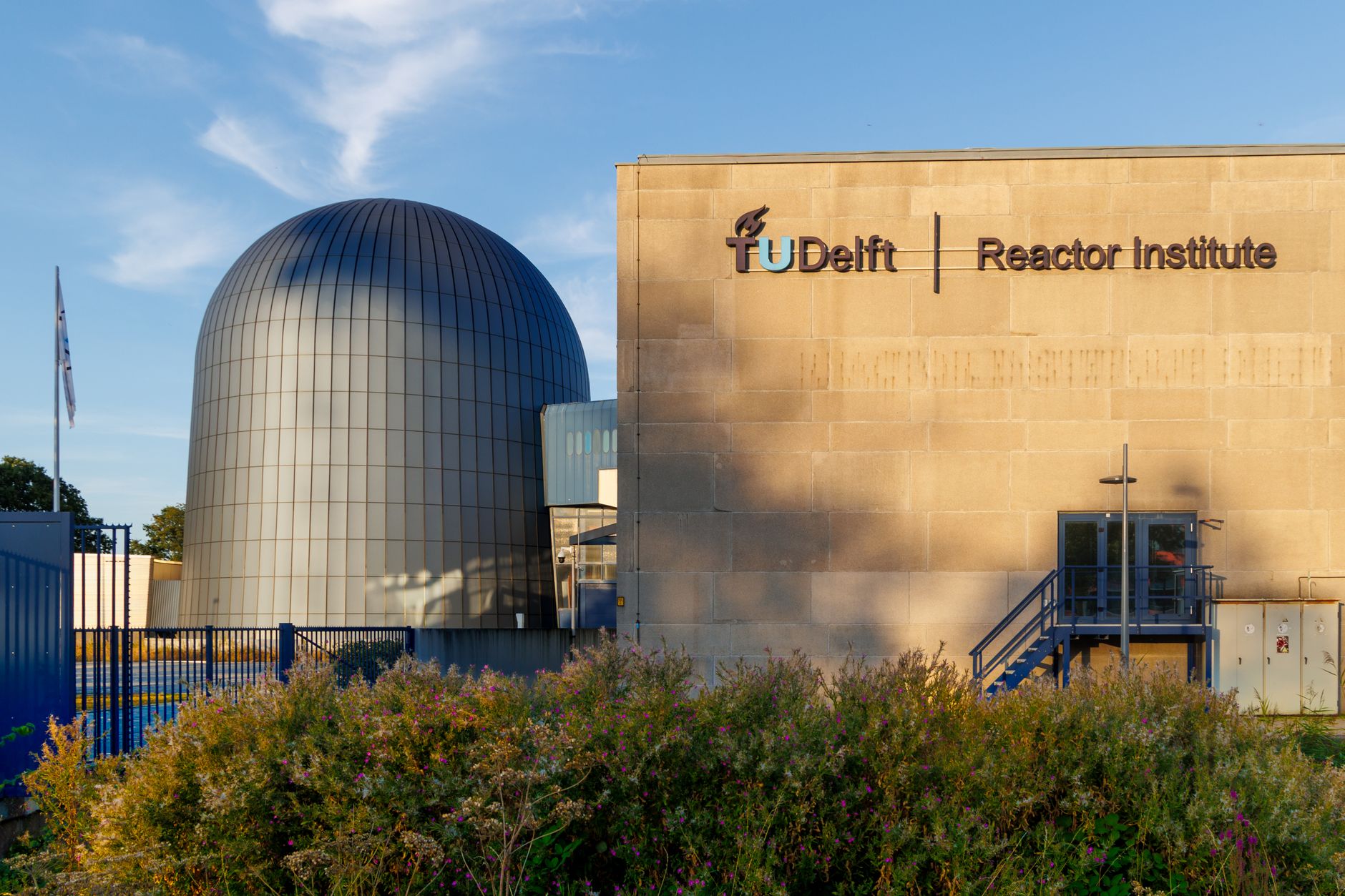
The Syrian nuclear reactor has been highlighted by the UN as a potential threat if completed. Concerns revolve around its capability for nuclear weapons development.
Background of the Syrian nuclear reactor
The Syrian nuclear reactor, located at Al-Kibar, has been a focal point of international concern since its construction began in the early 2000s. Built with the assistance of North Korea, this facility raised alarms due to its potential use for developing nuclear weapons.
In 2007, Israeli forces conducted an airstrike on the site, effectively halting its progress. The International Atomic Energy Agency (IAEA) later reported that the reactor could have produced plutonium, a key ingredient in nuclear weapon fabrication, if it had been completed.
The implications of the Syrian nuclear reactor extend beyond regional security, as they also pose a challenge for global non-proliferation efforts. Countries around the world continue to monitor Syria’s nuclear ambitions closely, emphasizing the importance of transparency and adherence to international agreements.
Despite the reactor’s destruction, concerns remain regarding the potential for similar projects in the future, leading to ongoing debates about nuclear safety and regional stability.
UN’s assessment of the reactor
The recent assessment by the United Nations regarding the Syrian nuclear reactor has raised significant safety concerns within the international community. The report indicates that the reactor, which was under construction, could have been utilized for developing nuclear weapons if it had been completed.
Key points from the UN’s evaluation include:
- Potential Weaponization: The reactor’s design suggested capabilities for producing fissile material suitable for nuclear armaments.
- Safety Risks: The unfinished state of the reactor poses risks related to uncontrolled nuclear reactions and radioactive release.
- Regional Stability: The existence of a nuclear reactor in Syria could escalate tensions in an already volatile region, prompting concerns among neighboring countries.
Furthermore, the UN emphasized the importance of monitoring such facilities to prevent any attempts at weaponization. As the situation develops, the international community remains vigilant regarding the implications of the Syrian nuclear reactor on regional and global security.
Potential implications for regional security
The potential implications of the Syrian nuclear reactor extend beyond national borders, raising serious concerns for regional security. Analysts warn that if the reactor had been completed, it could have provided a pathway for the development of nuclear weapons, destabilizing an already volatile area.
Several key factors contribute to the apprehension surrounding the reactor’s existence:
- Escalation of Tensions: The presence of a nuclear reactor could heighten tensions between Syria and neighboring countries, particularly Israel, which has expressed significant concern over its security.
- Proliferation Risks: The reactor may attract attention from non-state actors seeking to acquire nuclear materials, potentially leading to a new era of nuclear proliferation in the Middle East.
- Global Security Framework: The situation challenges existing international non-proliferation efforts, necessitating a reevaluation of strategies to ensure nuclear safety and security in the region.
As the situation develops, the implications of the Syrian nuclear reactor remain a critical issue for global security stakeholders.
International response to the reactor
In light of the UN’s assessment, international responses to the Syrian nuclear reactor have intensified, reflecting global concerns over nuclear proliferation. Countries and organizations have expressed alarm at the potential risks associated with the reactor, emphasizing the need for diplomatic dialogue and transparency.
The following actions have been noted:
- The United States: Officials have reiterated their commitment to preventing any state from acquiring nuclear weapons, especially in volatile regions like the Middle East.
- The European Union: EU representatives have called for strict monitoring and adherence to international nuclear treaties, urging Syria to allow inspections of its nuclear facilities.
- Regional Neighbors: Countries bordering Syria have voiced concerns about the reactor’s safety and its implications for regional stability, advocating for collective security measures.
As the situation develops, the international community remains vigilant, understanding that the Syrian nuclear reactor could have significant ramifications not only for Syria but for global security as a whole.
Historical context of Syria’s nuclear ambitions
The historical context of Syria’s nuclear ambitions reveals a complex narrative of geopolitical tension and clandestine operations. Following the 1970s, Syria began to explore nuclear capabilities, driven by a desire to enhance its military strength and regional influence. The Syrian nuclear reactor, which was under construction in the early 2000s, has been at the center of international scrutiny, particularly after reports surfaced regarding its potential to produce nuclear weapons.
In 2007, Israeli airstrikes targeted the reactor, which was reportedly built with assistance from North Korea, further heightening concerns over its intended use. The United Nations has since assessed that the reactor could have been used to develop nuclear arms if completed, raising alarms about the implications for non-proliferation efforts in the region.
These developments have not only strained Syria’s relations with neighboring countries but have also drawn significant attention from global powers, prompting discussions about the need for stringent oversight and transparency in Syria’s nuclear activities.
Expert opinions on nuclear safety
Experts in nuclear safety are voicing significant concerns regarding the Syrian nuclear reactor, particularly in light of its potential for misuse. Dr. Emily Carter, a nuclear policy analyst, emphasizes that the reactor’s design raises alarm bells. “If completed, it could have been used for nuclear weapons,” she stated, stressing the importance of monitoring such facilities.
Additionally, Professor Mark Liu from the Institute for Peace and Security argues that the reactor poses a risk not only to regional stability but also to global nuclear safety protocols. “The existence of a Syrian nuclear reactor in a volatile region could lead to further escalation of tensions,” he cautioned.
Many experts believe that without stringent oversight, the reactor could become a focal point for proliferation concerns. “We cannot afford to ignore the implications of a nuclear-capable Syria,” noted Dr. Sarah Al-Hamadi, an expert in Middle Eastern security.
As discussions continue, the global community is urged to remain vigilant regarding the potential risks associated with the Syrian nuclear reactor.
Future of nuclear oversight in Syria
The future of nuclear oversight in Syria remains uncertain, particularly in light of the findings regarding the Syrian nuclear reactor. As the international community grapples with the implications of this revelation, regulatory frameworks need to be strengthened to prevent any potential nuclear proliferation.
Key points regarding the future of nuclear oversight include:
- Increased monitoring: There is a pressing need for enhanced surveillance of nuclear activities in Syria to ensure compliance with international regulations.
- International collaboration: Countries must work together to share intelligence and resources, fostering a cooperative approach to nuclear oversight in the region.
- Capacity building: Education and training for Syrian officials on nuclear safety and non-proliferation can help establish a culture of accountability.
- Long-term strategies: Developing sustainable policies that address both the security concerns surrounding the Syrian nuclear reactor and the humanitarian needs of the population will be essential.
Ensuring effective oversight is crucial for regional stability and global nuclear safety.
Photo by Igor Passchier on Pexels
Read the original
You might also like
UGC NET admit card: Quick Guide to Exam Schedule · Android Motion Assist: Is It the Best Solution for Car Sickness? · A Professional Guide to Comparing Medicare Advantage Plans