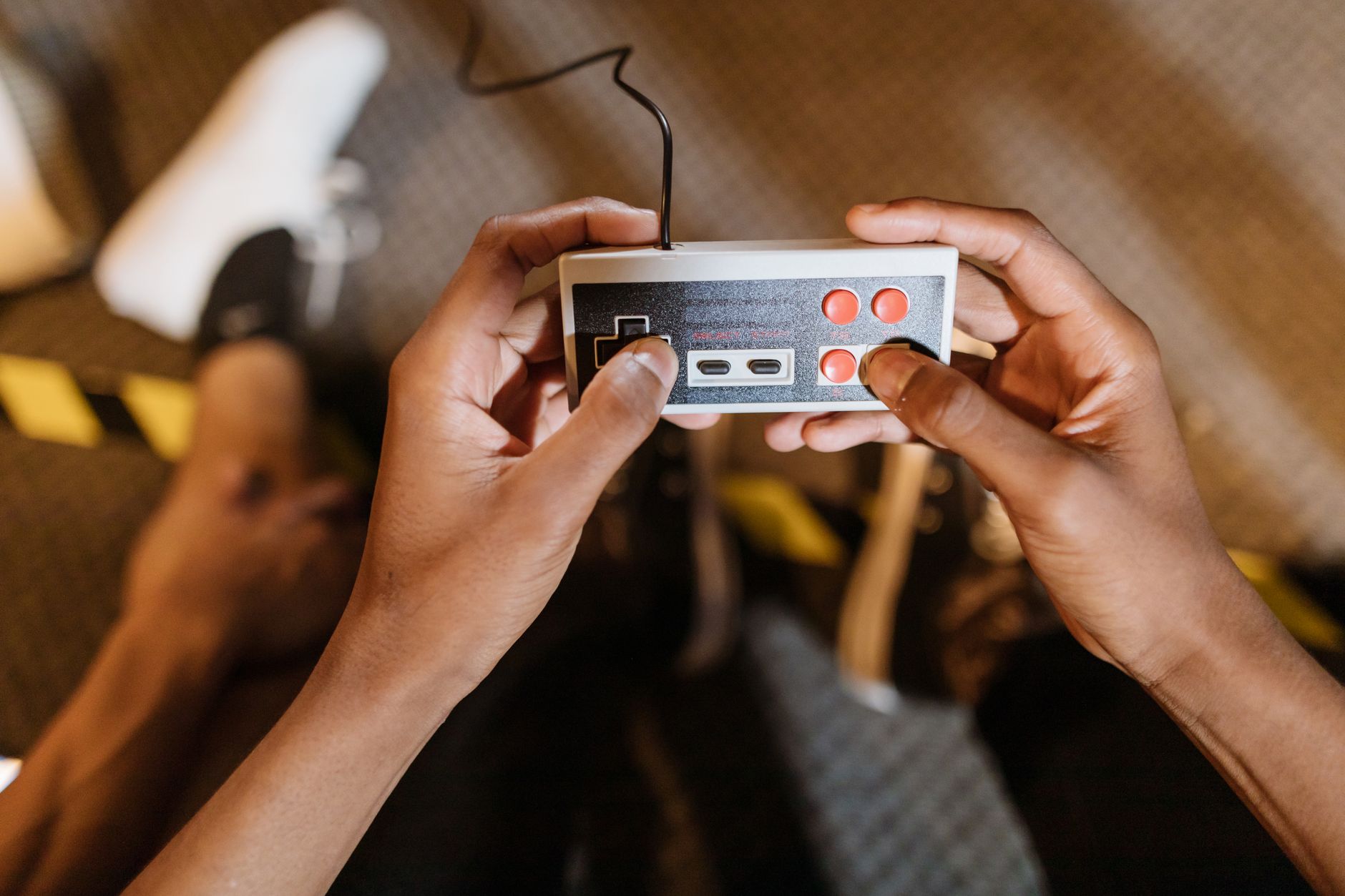
Power To The Players Act is a new initiative introduced by US Rep Ritchie Torres. This legislation seeks to empower game buyers with ownership rights over their purchased games.
Overview of the Power To The Players Act
The Power To The Players Act, recently introduced by US Representative Ritchie Torres, aims to transform the gaming landscape by granting players full ownership of their purchased games. This legislation responds to growing concerns among gamers about digital rights and ownership issues that arise from downloadable content and online platforms.
Under the proposed act, gamers would have the right to:
- Transfer their games to other users
- Resell their digital copies
- Access games offline without restrictions
The initiative seeks to empower consumers by ensuring that once a game is purchased, it is treated similarly to physical media, allowing for greater flexibility and control. Supporters argue that this move not only defends consumer rights but also fosters a more dynamic gaming economy. However, opponents raise concerns about potential impacts on game developers and the industry at large.
What Does the Act Propose?
The Power To The Players Act introduces several key proposals aimed at enhancing consumer rights for video game buyers. The bill is designed to address concerns surrounding ownership and accessibility in the gaming industry. Here are the main provisions of the act:
- Ownership Rights: The act allows gamers to retain ownership of their digital purchases, enabling them to sell or transfer their games without restrictions.
- Transparency Requirements: Game developers must provide clear information regarding the terms of service, ensuring players understand their rights and limitations.
- Resale Market Development: The proposal encourages the establishment of a secure marketplace for the resale of digital games, fostering a fairer economy for gamers.
- Consumer Protection: Enhanced measures to protect players against unfair practices, such as sudden game removal or changes in accessibility.
Through these initiatives, the Power To The Players Act aims to empower gamers and create a more equitable gaming landscape.
Impact on Game Buyers
The recently introduced Power To The Players Act aims to shift the balance of ownership in the gaming industry, potentially transforming the experience for game buyers. This legislation seeks to empower consumers by granting them rights over their purchased digital content, a move that could change how gamers interact with their libraries.
One of the most significant impacts of this act includes:
- Transferability: Game buyers would be able to transfer their purchased games to other users, similar to physical copies.
- Resale Rights: The act could allow players to resell their digital games, providing more flexibility and value to consumers.
- Consumer Protection: Enhanced rights may lead to better customer service and accountability from game publishers.
As discussions continue, the question remains whether the Power To The Players Act will effectively address the concerns of gamers and create a fairer marketplace.
Reactions from the Gaming Community
Reactions from the gaming community regarding the Power To The Players Act have been varied, sparking both excitement and concern. Supporters believe that the act could revolutionize the gaming experience, granting players genuine ownership of their digital purchases. This potential shift could empower gamers to resell or trade their games, similar to physical copies.
However, critics are worried about the implications for game developers and the industry as a whole. Some fear that allowing resale could undermine the revenue streams that keep game development sustainable. Concerns have also been raised about how this might affect the quality of games, with developers possibly reducing investment in innovative projects due to potential financial losses.
Many gamers have taken to social media to express their views:
- “This is a game changer!”
- “It could hurt indie developers.”
- “I’m excited to finally own my games!”
As the discussion continues, the gaming community remains divided on the potential impact of the Power To The Players Act.
Potential Challenges Ahead
As the Power To The Players Act gains attention, several potential challenges loom on the horizon. One significant concern is the legal implications surrounding digital ownership. Unlike physical copies, digital games often come with licensing agreements that may conflict with the notion of ownership proposed by the Act.
Moreover, there is apprehension among game developers regarding how this legislation might alter their revenue models. Many developers rely on ongoing sales and microtransactions, which could be undermined if players gain full ownership of their games.
Additionally, the implementation of such a law may require extensive changes in how games are distributed and managed across platforms. This could lead to fragmentation in the gaming ecosystem, affecting both players and developers.
Finally, concerns about piracy and unauthorized sharing of games are also pressing issues, as greater ownership rights could potentially encourage illegal distribution practices.
In summary, while the Power To The Players Act aims to enhance consumer rights, it introduces complexities that stakeholders must navigate carefully.
Comparison with Other Ownership Models
The Power To The Players Act aims to redefine ownership for gamers, but how does it compare to other models currently in practice?
Many gaming platforms operate on a licensing model where players purchase access rather than ownership. This means:
- Players can lose access if the service is discontinued.
- Game modifications and resale are often restricted.
In contrast, the Power To The Players Act proposes giving gamers true ownership of their purchased titles, allowing:
- Reselling of games in secondary markets.
- Modification without restrictions.
Another model is the subscription service, where players pay a monthly fee for access to a library of games. While this offers variety, it lacks the permanence that ownership provides. Ultimately, the Power To The Players Act could represent a significant shift toward player autonomy, potentially influencing how future games are marketed and sold.
Future of Game Ownership Laws
The future of game ownership laws is poised for significant changes with the introduction of the Power To The Players Act. As the gaming industry evolves, the demand for clearer ownership rights has become increasingly apparent. This proposed legislation aims to empower consumers by ensuring they have greater control over the games they purchase.
Many industry experts believe that the act could usher in a new era of transparency and fairness. However, the implications of such changes are multifaceted. Here are some potential outcomes:
- Increased transparency in digital rights management.
- Greater consumer protections against exploitative practices.
- Possible pushback from major gaming companies concerned about revenue impacts.
- Encouragement of innovation in game design and distribution models.
As this legislation progresses, it will be critical to monitor how it shapes the landscape of game ownership and the rights of players in the years to come.
Conclusion and Next Steps
In conclusion, the Power To The Players Act represents a significant shift in the landscape of video game ownership. While the act aims to empower gamers by ensuring they have more control over their purchased content, it also raises critical questions about the future of digital distribution and the responsibilities of developers. As the gaming community continues to react, it is clear that the dialogue surrounding this legislation will shape the industry’s next steps.
Moving forward, key considerations for stakeholders include:
- The long-term implications for game developers and publishers.
- The practicality of enforcing ownership rights in a predominantly digital marketplace.
- How gamers will adapt to potential changes in their interactions with games they purchase.
- The role of consumer advocacy groups in supporting or opposing the act.
As discussions unfold, the gaming community will need to stay informed and engaged to ensure that their voices are heard in shaping the future of game ownership laws.
Photo by RDNE Stock project on Pexels