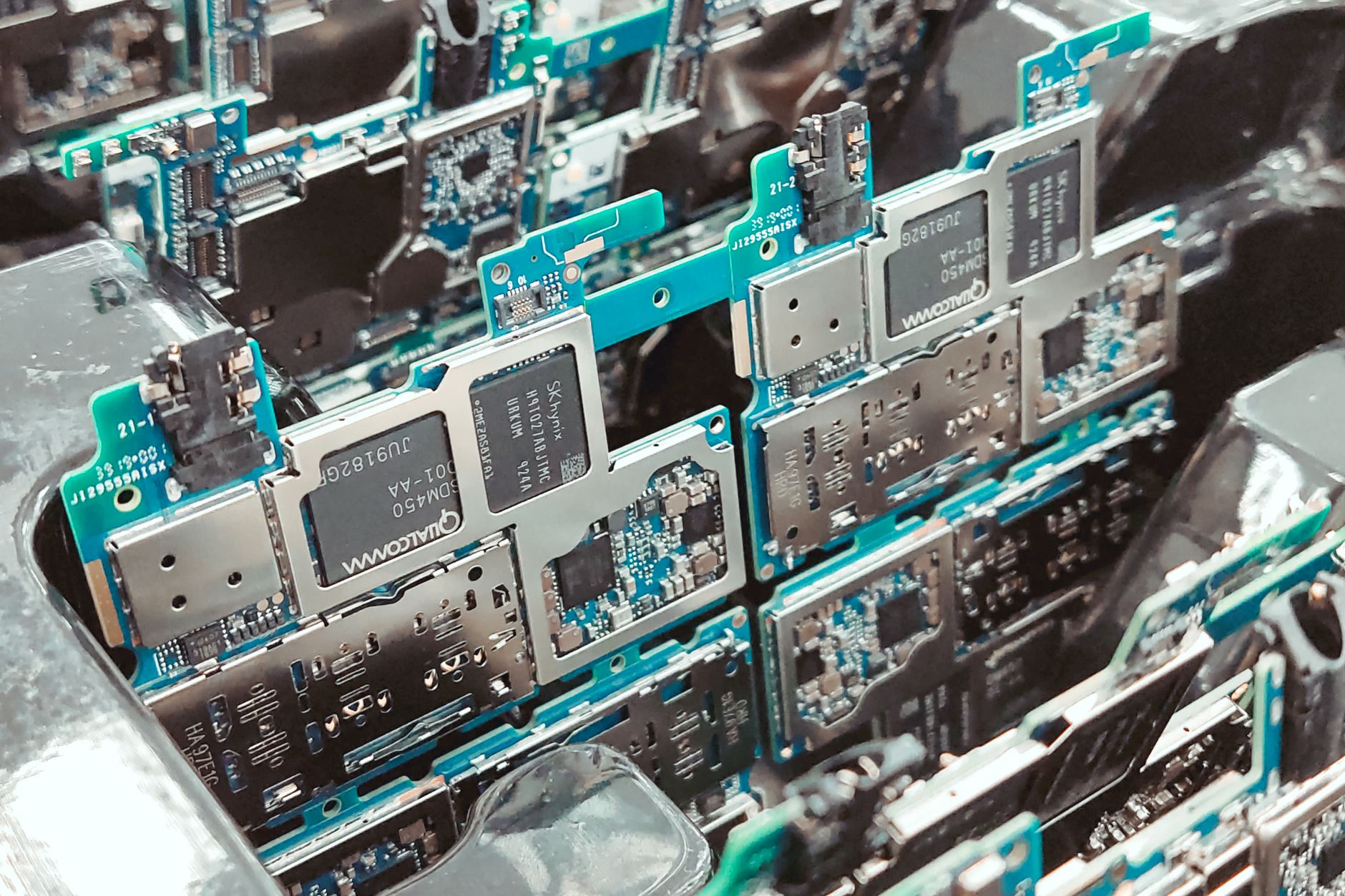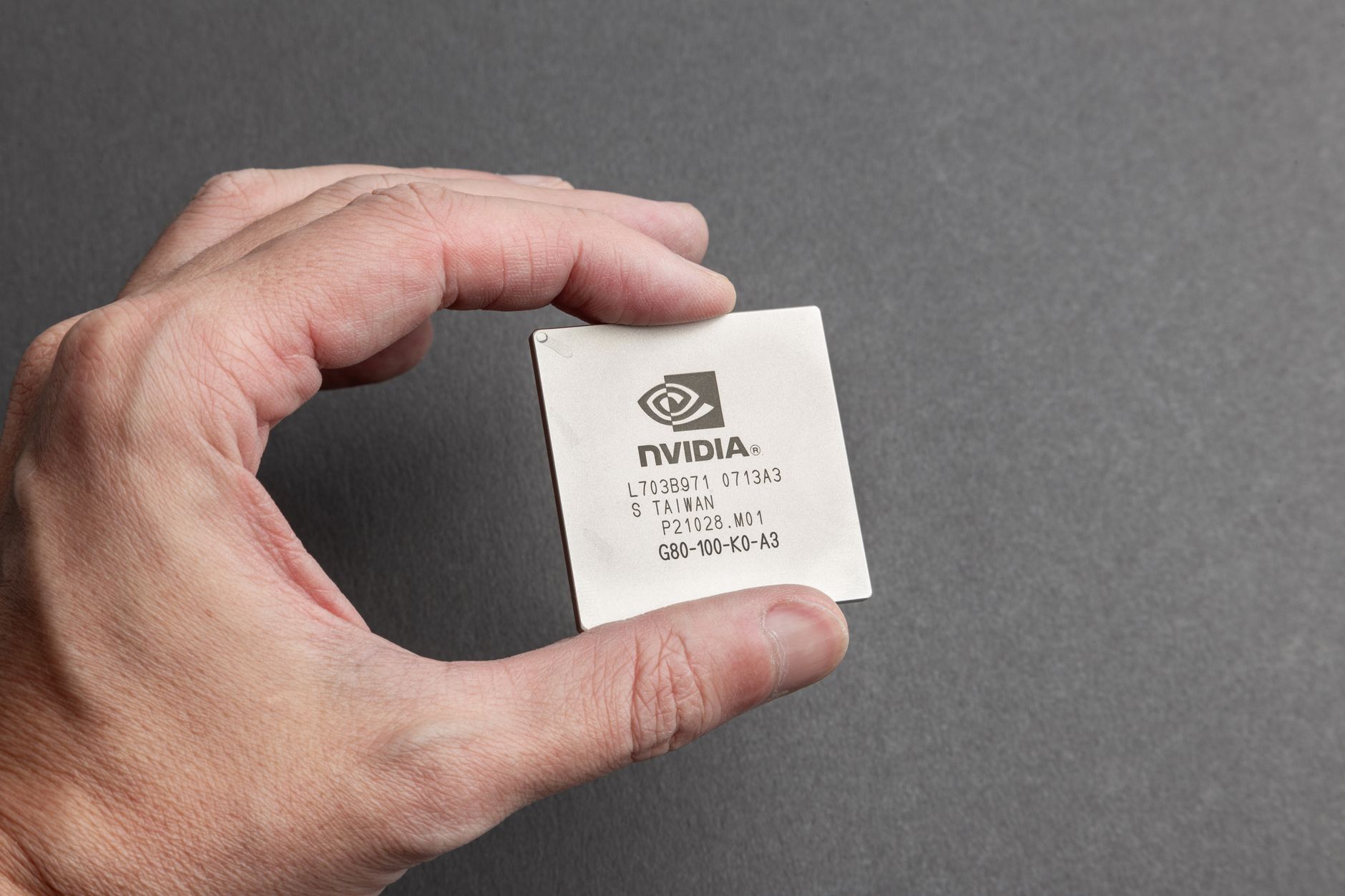
Nvidia AI chip rival funding is becoming increasingly significant as major players like Samsung invest heavily in alternatives. This shift reflects a growing demand for innovative GPU solutions.
Overview of AI chip market trends
The AI chip market has been witnessing significant growth, driven by an increasing demand for advanced computing capabilities across various sectors. As companies seek alternatives to Nvidia’s dominant position, the focus has shifted to emerging players in the industry, leading to heightened competition.
Recent funding rounds highlight this trend, with substantial investments being funneled into Nvidia AI chip rivals. For instance, Samsung’s backing of a new competitor in a $230 million funding round underscores the growing interest in GPU alternatives. This initiative reflects a broader movement within the tech community to diversify AI chip offerings and reduce reliance on established players.
Several key trends are shaping the landscape of AI chips:
- Increased Investment: Venture capital firms and tech giants are investing heavily in startups focused on AI chip development, aiming to capture a share of the booming market.
- Diverse Applications: AI chips are increasingly being utilized in various applications, from autonomous vehicles to cloud computing, driving innovation and demand.
- Technological Advancements: New architectures and manufacturing techniques are enabling the development of more efficient and powerful AI chips, further intensifying competition.
As the market evolves, it will be essential for companies to adopt effective funding strategies to compete with Nvidia and establish themselves as formidable rivals in the AI chip arena.
Samsung’s investment in Nvidia rival
In a significant move that underscores the competitive landscape of the AI chip market, Samsung has announced a substantial investment in an Nvidia AI chip rival. This funding round, which totals $230 million, is a clear indication of the growing interest in alternatives to traditional GPU technology, particularly as the demand for advanced AI capabilities continues to surge.
Samsung’s backing is not just a financial boost; it reflects a strategic shift in the semiconductor industry. The company aims to diversify its portfolio and reduce reliance on Nvidia, which has long dominated the AI chip sector. With this investment, Samsung is positioning itself to capitalize on emerging technologies that could reshape the future of artificial intelligence and machine learning.
Industry analysts note that the success of Samsung’s investment heavily relies on the chosen AI chip rival’s ability to innovate and bring competitive products to market. Key factors influencing the outcome include:
- Technological advancements: The rival must demonstrate superior performance and efficiency compared to Nvidia’s offerings.
- Market demand: There needs to be a clear need for alternative solutions that can meet the specific requirements of various sectors.
- Partnerships: Collaborations with software developers and other tech firms could enhance the chip’s capabilities and adoption.
As the GPU alternatives boom, Samsung’s investment strategy reflects a broader trend that could challenge Nvidia’s supremacy in the AI chip market.
Impact of funding on GPU alternatives
The impact of funding on GPU alternatives has proven to be significant in shaping the competitive landscape of the AI chip market. As companies strive to develop advanced chip technologies to rival Nvidia’s dominance, strategic investments become crucial for innovation and growth.
Recent funding rounds, such as Samsung’s substantial $230 million investment in Nvidia’s AI chip rival, highlight the urgency of financial support in this rapidly evolving sector. Such capital infusions not only accelerate research and development but also enhance manufacturing capabilities, enabling competitors to bring their products to market more swiftly.
- Enhanced Research and Development: Funding allows companies to attract top talent and invest in cutting-edge technology, which is essential for creating competitive products.
- Market Positioning: With increased financial resources, firms can more effectively market their alternatives to Nvidia’s chips, positioning themselves as viable options for customers seeking diverse solutions.
- Strategic Partnerships: Financial backing often leads to collaborations with other tech companies, facilitating knowledge sharing and technology transfers that can enhance product offerings.
- Consumer Confidence: A well-funded company tends to inspire more confidence among potential customers and investors, leading to greater market penetration and acceptance.
In summary, the influx of capital into Nvidia AI chip rivals not only fuels innovation but also reshapes the competitive dynamics within the AI chip market, fostering an environment ripe for breakthroughs.
Key players in the AI chip industry
The AI chip industry is rapidly evolving, with several key players emerging as significant contenders against Nvidia’s dominance. These companies are not only innovating in technology but also attracting substantial investments to enhance their capabilities.
Among the most notable rivals to Nvidia is AMD, which has been increasing its market share through strategic partnerships and advanced chip designs. Their focus on high-performance computing has made them a formidable player, particularly in the data center segment.
Intel is another significant entity in the AI chip landscape. With its recent acquisitions and investments in AI technology, Intel aims to create a robust portfolio that can challenge Nvidia’s offerings. Their emphasis on integrating AI capabilities into traditional processors positions them uniquely in the market.
Moreover, Graphcore, a British startup known for its Intelligence Processing Units (IPUs), has gained traction with substantial venture capital backing. Their innovative approach to AI processing has attracted attention and funding, making them a noteworthy Nvidia AI chip rival.
Additionally, Google has developed its Tensor Processing Units (TPUs), specifically designed for machine learning applications. This strategic move capitalizes on their cloud services and positions them as a strong competitor in the AI chip arena.
As these companies continue to secure investments and develop cutting-edge technologies, the competition within the AI chip industry is expected to intensify.
Future of AI technology investments
The future of AI technology investments is poised for significant evolution as companies seek to capitalize on advancements in processing power and machine learning capabilities. With the recent backing of a formidable Nvidia AI chip rival through a substantial $230 million funding round by Samsung, the landscape is undeniably shifting. This investment not only highlights the growing competition in the AI chip market but also underscores the confidence in the potential of alternative GPU technologies.
As tech giants and startups alike vie for dominance, several key factors will influence the trajectory of future investments:
- Emerging Technologies: Investments will increasingly focus on innovative designs and architectures that promise greater efficiency and performance.
- Partnerships and Collaborations: Strategic alliances between firms can enhance resource sharing and accelerate product development.
- Diversity of Applications: The expanding use of AI across various sectors—from healthcare to automotive—will drive demand for specialized chips tailored to specific tasks.
- Market Demand: As more companies adopt AI solutions, the need for powerful and efficient chips will create a competitive environment that attracts funding.
Investors will need to stay vigilant and adaptable to these trends, recognizing that the battle for supremacy in AI technology investments is just beginning. With Nvidia as a reference point, the rise of its rivals could reshape the entire industry.
Challenges facing AI chip development
The development of AI chips faces a myriad of challenges that can significantly hinder progress and innovation in this rapidly evolving sector. One of the primary hurdles is the high cost of research and development, which requires substantial investment in advanced technologies and skilled labor. Companies must balance their budgets while striving to produce cutting-edge products that can compete with established giants like Nvidia.
Additionally, market competition is fierce, with numerous startups and established tech companies vying for a share of the lucrative AI chip market. This competition often leads to a race for faster, more efficient chips, which can divert attention and resources from long-term strategic development.
- Intellectual property issues: Navigating the complex landscape of patents and proprietary technologies can also pose significant barriers.
- Supply chain constraints: The ongoing global semiconductor shortage has further complicated the production of AI chips, impacting timelines and costs.
- Regulatory challenges: As AI technology evolves, so too do the regulations governing its use, putting pressure on companies to comply while still pushing for innovation.
In this context, funding strategies become crucial for emerging players. Without adequate financial backing, many companies may struggle to overcome these challenges and establish themselves as viable competitors to major players like Nvidia, making the quest for effective funding solutions more pressing than ever.
In the competitive landscape of technology, securing capital is crucial for any Nvidia AI chip rival looking to innovate and scale. By adopting best proven funding strategies, these companies can enhance their chances of success against established giants.
Photo by Stas Knop on Pexels
Where this came from
Related stories
AI Model Development Slowdown: Smart Steps for Safety · Blizzard union contract: Is it the best deal for workers? · LG TV scanning devices: The Smart Way to Connect