
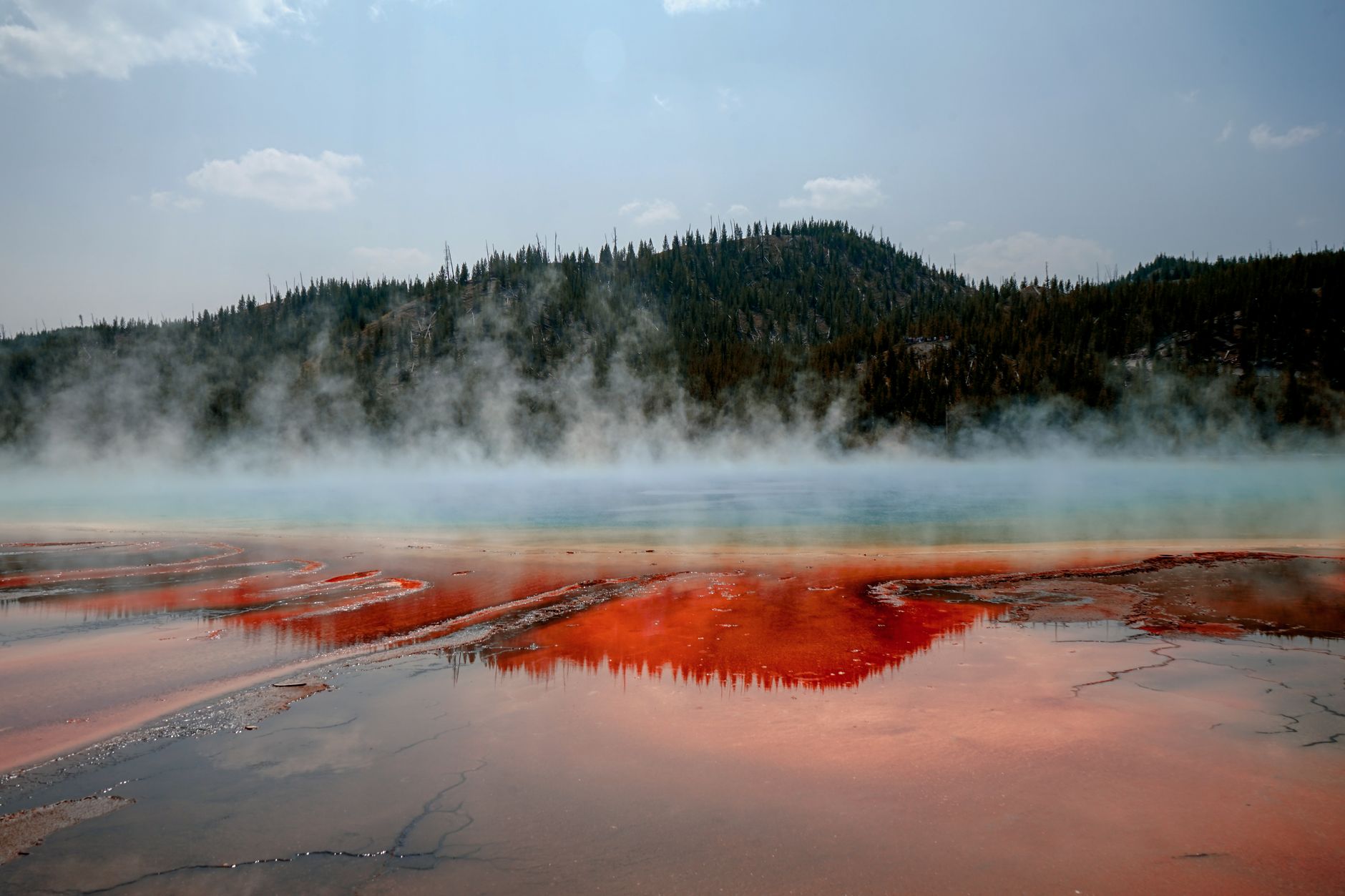
Yellowstone lake sediments reveal 15,000 years of hydrothermal and wildfire change, shedding light on the region’s climatic history and ecological shifts.
Understanding Yellowstone lake sediments
Yellowstone lake sediments provide valuable insights into the region’s climatic history, revealing significant changes over the past 15,000 years. The analysis of these sediments has uncovered evidence of both hydrothermal activity and wildfire occurrences, offering a glimpse into how natural events have shaped the landscape.
The study of these sediments is crucial for understanding the interactions between climate, geology, and ecology in Yellowstone National Park. Researchers have identified patterns that highlight how ancient climates influenced the growth and decay of ecosystems.
Key findings from the sediment analysis include:
- Hydrothermal events: Increased geothermal activity contributing to sediment composition.
- Wildfires: Periods of intense fire activity correlated with climatic shifts.
- Climate phases: Distinct changes in temperature and precipitation reflected in sediment layers.
Overall, Yellowstone lake sediments serve as a rich archive of environmental changes, enhancing our understanding of climate dynamics.
The impact of hydrothermal activity
The analysis of Yellowstone lake sediments has uncovered significant insights into the impact of hydrothermal activity on the region’s ecosystem. These sediments serve as a historical record, revealing how geothermal processes have influenced both climate and biological diversity over millennia.
Researchers found that hydrothermal features contribute not only to alterations in water chemistry but also to the surrounding flora and fauna. The sediments indicate fluctuations in temperature and nutrient availability linked to geothermal events, leading to shifts in species composition in the lake and its surroundings.
Moreover, these findings emphasize the interconnectedness of geological processes and climate change, showcasing how hydrothermal activity can trigger cascading effects on the environment. Understanding these dynamics is crucial for predicting future changes in Yellowstone, a vital natural resource.
Wildfires and their effects on the ecosystem
Recent studies of Yellowstone lake sediments have unveiled crucial insights into the effects of wildfires on the local ecosystem. Over the past 15,000 years, these sediments have recorded significant changes driven by both hydrothermal activity and natural fire events.
Wildfires, while a natural part of the ecosystem, have profound implications for the flora and fauna of Yellowstone. The lake sediments indicate that periods of intense burning led to:
- Soil erosion: Loss of nutrient-rich topsoil affects plant growth.
- Habitat destruction: Many species lose their homes, leading to shifts in population dynamics.
- Water quality changes: Increased sedimentation can harm aquatic life.
The interplay between wildfires and climate variability is crucial to understanding the resilience of the Yellowstone ecosystem as it adapts to ongoing environmental changes.
Research methods used in the study
The research team employed a range of advanced techniques to analyze Yellowstone lake sediments, providing insights into the region’s climatic history. Key methods included:
- Core Sampling: Researchers extracted sediment cores from various depths of the lake, allowing for a chronological study of sediment layers.
- Radiocarbon Dating: This technique was utilized to date organic materials found within the sediments, helping to establish timelines for climatic events.
- Paleomagnetic Analysis: By examining the magnetic properties of the sediments, the team could infer historical changes in the Earth’s magnetic field, linked to climatic shifts.
- Geochemical Analysis: The composition of the sediments was analyzed to identify changes in nutrient levels and potential indicators of past wildfires and hydrothermal activity.
Through these methods, researchers were able to reconstruct a detailed history of climate changes over 15,000 years.
Photo by Vlad Chețan on Pexels
References
Related stories
Porsche halo supercar: Best proven design for enthusiasts · SoftBank junk bond deal: A Smart Funding Strategy · AI Development Slowdown: The Right Move for Progress