Grok models performance has come under scrutiny as Elon Musk acknowledges they trail behind Anthropic and OpenAI. This revelation could reshape perceptions in the AI landscape.
Understanding Grok Models Performance
The recent discussions surrounding the performance of Grok models have sparked significant interest in the AI community. Many experts are questioning whether these models truly represent the worst in artificial intelligence, especially when compared to their competitors. In particular, industry leaders like Elon Musk have expressed skepticism about Grok’s capabilities.
In a recent statement, Musk noted that, “for now,” Grok models trail behind innovations from companies such as Anthropic and OpenAI. This raises concerns regarding the effectiveness of Grok models, which are designed to compete in a rapidly evolving AI landscape.
To better understand Grok models performance, it is essential to consider several factors:
- Training Data: The quality and diversity of the training data can significantly impact how well these models perform.
- Algorithm Efficiency: The underlying algorithms must be optimized to process information effectively and generate accurate results.
- Real-World Application: Evaluating how Grok models function in practical scenarios is crucial to understanding their overall utility.
While some view Grok models as lacking, others argue there is potential for improvement. Continuous innovation may yet elevate Grok models’ standing in the AI sector.
Comparing Grok to Anthropic and OpenAI
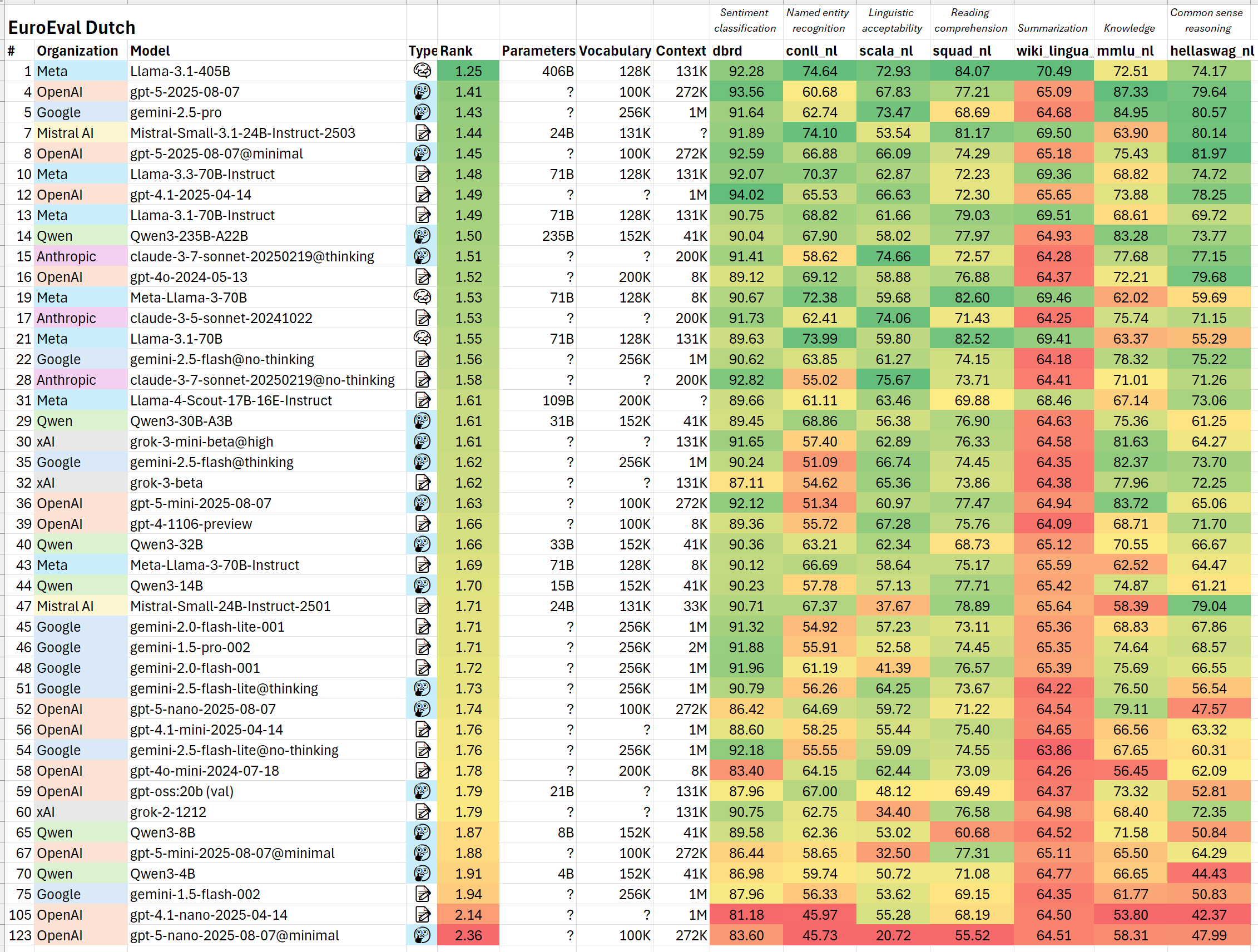
In recent discussions surrounding AI capabilities, the performance of Grok models has come under scrutiny, especially in comparison to industry leaders like Anthropic and OpenAI. While Grok models have been designed to enhance user interaction through advanced conversational abilities, their effectiveness appears to lag behind competitors. Elon Musk himself acknowledged that, for now, Grok models trail both Anthropic and OpenAI in terms of performance metrics.
Critics have pointed out several key areas where Grok models fall short:
- Understanding Context: Grok models often struggle with maintaining context in longer conversations, leading to disjointed interactions.
- Response Quality: The quality of responses generated by Grok models tends to be less coherent and relevant than those produced by Anthropic or OpenAI’s systems.
- Learning Efficiency: Grok models require more extensive training data to achieve comparable performance levels, raising concerns about their scalability.
As the AI landscape evolves, the performance of Grok models will be closely monitored. Stakeholders are eager to see if improvements can be made to elevate Grok models to a competitive standing with their counterparts in the industry.
What Elon Musk Says About Grok Models
In a recent discussion regarding the performance of Grok models, Elon Musk shared his perspective on the current standing of these AI systems. Musk pointed out that, while Grok models have shown potential, they are still lagging behind competitors like Anthropic and OpenAI. He noted that, “for now,” Grok models are not meeting the high standards set by these leading organizations.
Musk emphasized the importance of continuous improvement and innovation in the field of artificial intelligence. He believes that Grok models performance can enhance significantly with proper resources and development. However, he also acknowledged the challenges faced by Grok in achieving parity with more established models.
During the conversation, Musk highlighted several factors contributing to the performance gap:
- Data Quality: The datasets used for training Grok models may not be as robust as those utilized by competitors.
- Algorithm Efficiency: Improvements in algorithms can lead to better performance, a realm where Grok is still catching up.
- Development Resources: Adequate funding and talent are crucial for rapid advancements in AI models.
Despite these challenges, Musk remains optimistic about the future of Grok models performance and their potential to evolve in the fast-paced AI landscape.
Future Implications for AI Development
The performance of Grok models has raised significant questions regarding their viability in the competitive landscape of artificial intelligence. As industry leaders like Elon Musk acknowledge the limitations of these models compared to those developed by Anthropic and OpenAI, the implications for future AI development become increasingly evident.
One key consideration is the potential for innovation in model architecture and training methodologies. The current shortcomings of Grok models may serve as a catalyst for researchers to explore new avenues for improvement. By analyzing the factors that contribute to their underperformance, developers can identify critical areas for enhancement.
Moreover, as AI continues to evolve, the emphasis on ethical considerations and responsible AI usage will likely shape the trajectory of future model development. Stakeholders may focus on creating more robust and transparent models that align with societal values.
In summary, while Grok models might be perceived as lacking in performance today, they could inspire advancements that redefine the standards of AI technology. The ongoing discourse around Grok models performance thus holds the potential to lead to more effective and responsible AI applications in the years to come.
Despite the ongoing debate about Grok models performance, many experts argue that their limitations can be addressed with further research. As we delve deeper into the intricacies of Grok models performance, it becomes clear that there is still potential for improvement.